Alcoholism is a serious addiction that affects many individuals, yet it often goes unnoticed until it becomes a significant problem. Understanding the stages of alcoholism and how it progresses is essential for anyone looking to seek help and embark on the path to recovery. This article provides a clear overview of alcohol addiction, from the early signs of trouble to the recovery stages, helping you recognize the signs and take proactive steps toward regaining control of your life.
Signs You May Be Developing an Alcohol Addiction

Alcohol is often portrayed as something glamorous or fun, but the truth is that it can be very harmful, especially when consumed excessively. Here are some signs that you may be developing an alcohol addiction:
- Missing Important Commitments: If alcohol is causing you to miss work, school, or other important commitments, this is a warning sign that something might be wrong.
- Relationship Issues: Drinking may cause problems in your relationships, both with family and friends, due to your behavior or the amount of time spent drinking.
- Financial Trouble: If you’re facing financial difficulties because of alcohol consumption, it’s time to reevaluate your habits.
- Guilt or Depression: Feelings of guilt or depression after drinking, especially if they are becoming regular, are another indicator of a problem.
- Drinking Alone: If you find yourself drinking alone or drinking more than you intended, this can be a major red flag.
- Blackouts: If you experience blackouts or memory loss after drinking, it’s a sign that your drinking is becoming dangerous.
If you notice three or more of these symptoms, it might be time to seek help. Tolerance, which means needing more alcohol to feel the same effect, is another warning sign of addiction. Over time, alcohol consumption may increase, leading you to drink more than you used to in order to achieve the same effect.
The Four Stages of Alcohol Use

Understanding the stages of alcohol use can help you identify where you might be in your journey with alcohol. The development of alcoholism doesn’t happen overnight and usually progresses through four stages.
1. Pre-Alcoholic Stage
In the pre-alcoholic stage, people typically begin drinking to cope with stress or to feel more relaxed in social settings. While social drinking may not seem harmful, it becomes problematic when alcohol is used regularly as a way to deal with emotions like anxiety or stress. This stage often leads to developing tolerance, where individuals need to drink more to feel the same effects.
2. Early Stage (Prodromal Stage)
The early stage marks a turning point when drinking begins to affect various aspects of life, such as relationships and daily responsibilities. This is where cyclical drinking starts, as individuals drink to forget their problems. Blackouts are common at this stage, and although individuals may recognize that their drinking is becoming problematic, they might not seek help due to feelings of shame or denial.
3. Middle Stage (Crucial Stage)
The middle stage is characterized by feelings of deep guilt and shame. People in this stage may attempt to control their drinking but often fail to do so. They may try to rationalize their drinking, hide it from family and friends, or try to reduce consumption by switching to beer or wine. However, their alcohol abuse typically continues to escalate. This stage often leads to the most severe consequences, including relationship breakdowns and job loss.
4. Late Stage (Chronic Stage)
At the late stage, alcohol dependence has fully taken hold. Individuals in this stage lose control over their drinking, and their life revolves around obtaining and consuming alcohol. Physical health begins to deteriorate, and mental clarity may also decline. If left untreated, this stage can be life-threatening due to the physical and psychological toll alcohol takes on the body.
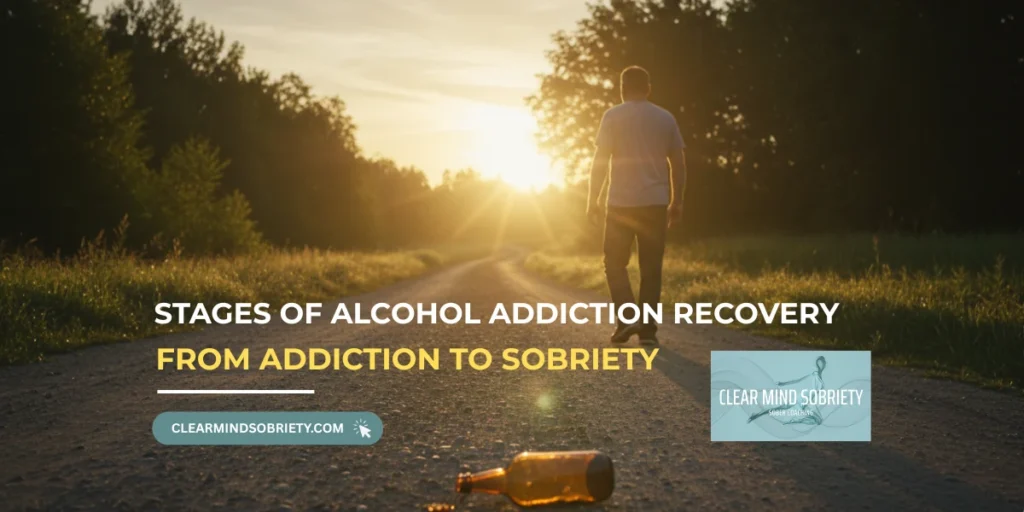
Stages of alcohol addiction recovery

The journey to recovery from alcoholism is challenging but possible. Psychologists James Prochaska and Carlo DiClemente developed the model of change, which outlines six stages of recovery. These stages help individuals progress from acknowledging their addiction to achieving long-term sobriety.
1. Pre-Contemplation
In this stage, individuals are not yet ready to recognize or admit they have a problem. They may be in denial or not want to face the consequences of their drinking. Pre-contemplation is about raising awareness of addiction.
2. Contemplation
At this stage, individuals begin to realize that their drinking is problematic and that they need help. However, they may still be hesitant to take action, often procrastinating about getting help. They are aware that change is necessary but may feel unsure about how to proceed.
3. Preparation
The preparation stage is where individuals decide that they want to make a change. They begin to make plans for treatment, such as researching rehab centers or discussing their problems with loved ones. This is a critical phase, as making a solid plan is essential for success.
4. Action
At this stage, individuals take concrete steps to address their addiction. This may include entering an alcohol detox program, receiving therapy, or participating in support groups. The focus is on removing alcohol from the body and beginning the recovery process.
5. Maintenance
The maintenance phase focuses on maintaining sobriety and avoiding triggers that may lead to relapse. This stage involves developing healthy coping strategies and establishing a new routine that supports sober living.
6. Termination
Termination is the final stage where individuals can confidently say they have conquered their addiction. However, recovery is an ongoing process, and individuals must remain vigilant to avoid relapse. This stage requires continued support and reinforcement of healthy habits.
Alcohol Withdrawal Symptoms

When someone with alcohol dependence stops drinking, they may experience withdrawal symptoms. These can range from mild to severe and include anxiety, fatigue, irritability, and even more serious symptoms like tremors, seizures, or delirium tremens (DTs). DTs are a dangerous form of withdrawal that requires immediate medical attention. Alcohol detox should always be done under medical supervision to manage withdrawal symptoms safely.
Tips for Maintaining Sobriety During Recovery
Achieving sobriety is one thing, but maintaining it can be challenging. Here are five essential tips for staying sober during recovery:
1. Establish New Patterns
Changing old drinking habits is crucial in recovery. By replacing old patterns with healthier behaviors, individuals can avoid triggers and maintain their commitment to sobriety.
2. Focus on Health
Exercise, a balanced diet, and adequate sleep are vital for physical recovery. Taking care of your body will help reduce cravings and promote overall well-being.
3. Pick up a Hobby
Recovery can leave individuals with extra time on their hands. Picking up a new hobby or learning new skills can help keep the mind occupied and prevent boredom-related cravings.
4. Build Healthy Relationships
Support from loved ones is critical in recovery. It’s essential to surround yourself with people who respect your commitment to sobriety and encourage you in your journey.
5. Practice Mindfulness
Mindfulness techniques such as meditation can help manage cravings and improve emotional regulation. Learning to identify and manage triggers through mindfulness can significantly increase the chances of long-term recovery.
Conclusion
Alcohol addiction is a serious problem, but with the right treatment and support, recovery is possible. Whether you are at the early stages of addiction or have been struggling for years, understanding the stages of alcohol use and the process of recovery can help you take the first step toward a healthier, sober life.
Seeking professional help, attending therapy, and leaning on loved ones are all crucial components of the recovery process. Remember, addiction is a disease, and it requires both medical and psychological treatment. With determination and support, you can overcome alcohol addiction and rebuild your life. Clear Mind Sobriety is here to guide you every step of the way. Reach out today to take the first step toward your recovery.