
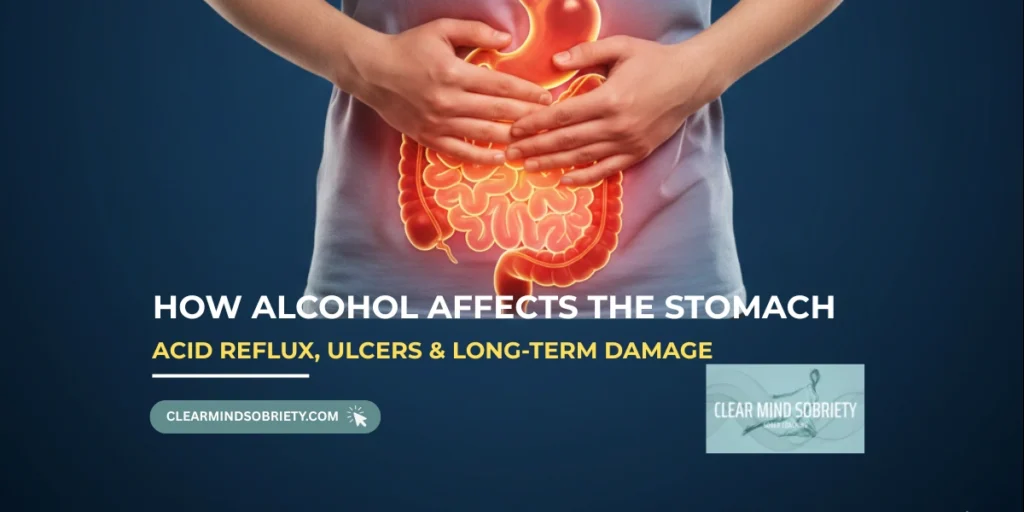
How alcohol affects the stomach is often overlooked. While an occasional drink may seem harmless, regular or excessive alcohol consumption can significantly impact the digestive system, especially the stomach. Alcohol interferes with digestion, nutrient absorption, and how the body processes food.
This blog explores how alcohol affects the stomach, associated risk factors, and long-term consequences of excessive drinking. Alcohol can lead to various gastrointestinal issues, from acid reflux and heartburn to more severe conditions like ulcers and pancreatitis. These effects are not just temporary but can cause lasting damage to the digestive system if alcohol intake is not carefully manages
How Alcohol Affects the Stomach Lining
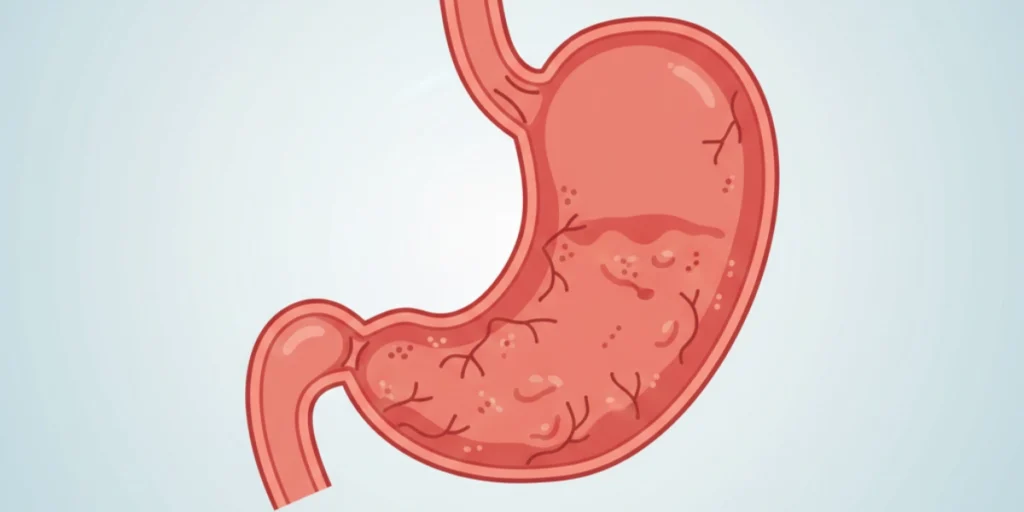
Alcohol irritates the stomach lining, which protects the stomach from its own acid and enzymes. This irritation leads to inflammation, known as gastritis, causing pain, bloating, and indigestion.
This also increases stomach acid production, further aggravating the lining and causing long-term damage. Frequent alcohol consumption raises the risk of chronic gastritis. Symptoms include stomach pain, nausea, vomiting, and fullness after eating small amounts
Increased Risk of Stomach Ulcers
Alcohol weakens the stomach lining, which increases the risk of stomach ulcers. These ulcers are open sores that form in the stomach from damage caused by stomach acid. Ulcers can be painful and may cause internal bleeding if not treated.
Drinking too much alcohol speeds up the formation of ulcers, and in some cases, ulcers can become long-term. If untreated, ulcers can create a hole in the stomach or cause internal bleeding. These problems are serious and need immediate medical care.
Acid Reflux and Heartburn
Alcohol causes acid reflux by relaxing the lower esophageal sphincter, allowing stomach acid to flow back into the esophagus.
This leads to a burning sensation in the chest and throat. For those with acid reflux or GERD, alcohol worsens symptoms, causing more frequent heartburn. Regular drinking increases the risk of developing esophageal ulcers and may lead to esophageal cancer over time.
Impact on Digestion and Absorption
Alcohol disrupts digestion by slowing gastric emptying, causing food to stay in the stomach longer. This leads to bloating, indigestion , and a feeling of fullness. Alcohol also affects nutrients absorption in the small intestine, damaging the lining and reducing its ability to absorb essential nutrients.
Key vitamins and minerals such as vitamin B12, folate and iron are poorly absorbed in heavy drinkers. This results in nutrient deficiencies, fatigue, anemia, and bone weakness over time.
Alcohol and the Pancreas
Alcohol affects the pancreas, which produces digestive enzymes and hormones regulating blood sugar. Chronic alcohol use causes pancreatitis, with acute pancreatitis leading to severe abdominal pain, nausea, vomiting, and fever.
Long-term drinking increases the risk of chronic pancreatitis, resulting in permanent pancreatic damage. This condition impairs enzyme production, causing poor digestion and nutrient malabsorption. Chronic pancreatitis also raises the risk of pancreatic cancer.
Alcohol and the Liver
The liver plays a crucial role in digestion and overall gastrointestinal health by processing and detoxifying alcohol. When alcohol intake exceeds the liver’s capacity, fat accumulates, leading to fatty liver disease.
Over time, excessive drinking causes alcoholic hepatitis, which inflames the liver. If untreated, this can progress to cirrhosis, severely impairing the liver’s ability to process nutrients and detoxify the body. Cirrhosis exacerbates digestive problems and can lead to complications like gastrointestinal bleeding and ascites (fluid buildup in the abdomen).
Alcohol and the Large Intestine
The large intestine absorbs water and forms stool. Alcohol alters colon motility and water absorption, leading to frequent loose stools, dehydration, and disrupted bowel movements.
For those with irritable bowel syndrome (IBS) or inflammatory bowel disease, alcohol worsens symptoms. Regular alcohol consumption increases the risk of colorectal cancer by irritating the colon lining and promoting inflammation.
Long-Term Effects of Alcohol on the Stomach
Long-term alcohol use has serious consequences for the digestive system. Chronic inflammation in the stomach lining, combined with damage to the liver and pancreas, can lead to severe digestive issues. Individuals who drink heavily are at an increased risk of developing conditions such as:
- Peptic ulcers
- Chronic pancreatitis
- Alcoholic liver disease
- Gastrointestinal bleeding
- Digestive cancers
These conditions develop over time and may not show symptoms until they reach advanced Stages. making early intervention crucial. Reducing or eliminating alcohol consumption can help prevent further damage to the stomach and digestive system.
Signs That Alcohol is Affecting Your Stomach
It is important to be aware of the warning signs that alcohol may be affecting your digestive system. Common symptoms include:
- Persistent stomach pain
- Acid reflux or heartburn
- Bloating and indigestion
- Unexplained weight loss
- Fatigue and nutrient deficiencies
- Nausea and vomiting
- Yellowing of the skin or eyes (jaundice)
If you are experiencing any of these symptoms, it is essential to consult with a healthcare professional to prevent long-term damage.
Conclusion
Alcohol can significantly impact the stomach and digestive system, leading to issues such as ulcers, acid reflux, and long-term damage to the liver and pancreas. Chronic alcohol use can result in severe health problems, including digestive disorders and an increased risk of cancer.
Recognizing the early signs of alcohol’s effects on your digestive health is crucial for making informed decisions about your well-being. If you’re experiencing symptoms, it’s important to seek professional medical advice. For those recovering from alcohol use, embracing sobriety is an essential step toward healing. Clear Mind Sobriety provides the support and guidance needed to live a healthier, alcohol-free life.
FAQ: How Alcohol Affects the Stomach
Q1: Can alcohol cause stomach ulcers?
Yes, excessive alcohol consumption can irritate the stomach lining, increasing the risk of developing ulcers.
Q2: Does alcohol cause acid reflux?
Yes, alcohol relaxes the lower esophageal sphincter, allowing stomach acid to flow back into the esophagus, leading to acid reflux
Q3: How does alcohol affect digestion?
Alcohol slows gastric emptying, which can lead to bloating and indigestion. It also reduces nutrients absorption in the small intestine.