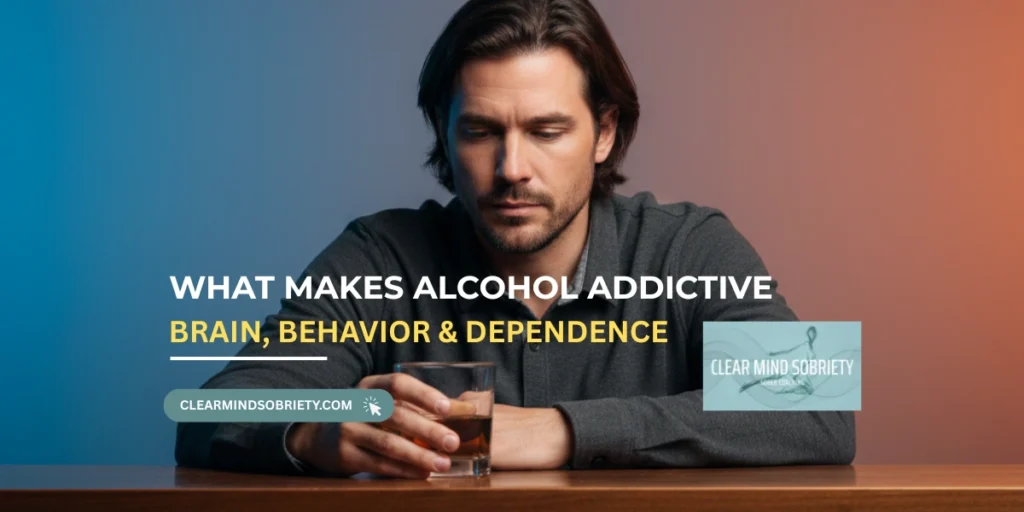
Alcohol is a part of many people’s daily lives, whether for socializing, celebrating, or unwinding after a long day. But what makes alcohol so addictive for some people? This article takes a closer look at alcohol addiction.
It examines how alcohol affects the brain, body, and emotions. We will also explore the physical, psychological, and social factors that contribute to its addictive nature. Understanding these factors is crucial for recognizing alcohol addiction. It can also help in finding the right path to recovery. Let’s break down why alcohol is so hard to resist for many individuals.
How Does Alcohol Affect the Brain and Body?
When you drink alcohol, it directly alters your brain’s chemistry. Alcohol triggers the release of dopamine, a neurotransmitter involved in the brain’s reward system. Dopamine produces feelings of pleasure, reinforcing the desire to repeat the behaviour.
This release of “feel-good” chemicals contributes to alcohol’s addictive nature. Over time, your body begins to crave this reward, making it increasingly difficult to stop thinking.
What Are the Physical Factors Contributing to Alcohol Addiction?
The brain’s reward system plays a key role in alcohol addiction. When you drink, alcohol changes brain function. This leads to an increased release of dopamine and endorphins.Some people’s brains are more sensitive to these chemicals. This sensitivity makes alcohol more pleasurable and increases the risk of addiction.
As a person drinks more often, their brain gets used to high dopamine levels. This leads to tolerance. With tolerance, a person needs to drink more to feel the same effects. This cycle can result in alcohol addiction.
What Are the Psychological Factors Behind Alcohol Addiction?

Psychological factors play a big role in alcohol addiction. Many people use alcohol to cope with stress, anxiety, or trauma. It becomes a way to escape negative emotions or mental pain.
Over time, alcohol is used to manage feelings, turning it into a learned behaviour. Negative thinking and the belief that alcohol helps can strengthen this habit. Without the right support, recovery becomes difficult.
How Does Social Influence Contribute to Alcohol Addiction?
Alcohol is accepted in social settings. It’s seen as a way to relax, socialize, or celebrate. This makes it hard to notice when drinking becomes a problem. People often drink due to pressure or because it’s normal in their social circle.
Alcohol is also marketed as fun, glamorous, or harmless. This can make excessive drinking seem normal. Over time, social influence and exposure to alcohol increase the risk of addiction.
What Stages Does Alcohol Addiction Go Through?
Alcohol addiction doesn’t happen overnight. It develops over time, typically in stages.
- Early Stage: In the early stages, drinking may start to increase. People might drink more frequently or consume larger amounts. They might begin to develop a tolerance, needing more alcohol to feel the same effects.
- Middle Stage: As alcohol dependency increases, individuals start to drink not only to feel pleasure but to avoid feeling bad. Withdrawal symptoms may occur when they don’t drink.
- Final Stage: In the final stage, the individual is fully addicted. They may need alcohol to function and experience severe physical and psychological consequences. This stage requires immediate intervention.
How Does Alcohol Use Disorder (AUD) Develop?
Alcohol addiction, or Alcohol Use Disorder (AUD), develops when drinking becomes a regular part of a person’s life and they lose control over their consumption. This is marked by an inability to stop drinking despite negative consequences, such as health problems, relationship issues, or work difficulties. Key signs of AUD include:
- Drinking more than intended
- Failed attempts to reduce drinking
- Craving alcohol
- Tolerance and withdrawal symptoms
What Are the Long-Term Effects of Alcohol Addiction?
Chronic alcohol use can cause significant damage to both the body and mind. Long-term effects include:
- Brain Damage: Alcohol can affect memory, decision-making, and cognitive functions.
- Liver Disease: Heavy drinking can lead to cirrhosis and other liver problems.
- Mental Health: Anxiety, depression, and other mental health issues are common in people with alcohol addiction.
- Cancer: Alcohol increases the risk of certain types of cancer, including liver, mouth, and breast cancer.
How Can Alcohol Addiction Be Treated?
Alcohol addiction is treatable. The first step is recognizing the problem and seeking help. Treatment options include therapy, rehab, and support groups, such as our One-on-One Coaching and Personalized Recovery Plans.
Effective treatment helps individuals manage their addiction, regain control of their lives, and repair the damage done to their bodies.
Why Is Alcohol So Addictive Compared to Other Substances?
Alcohol is unique because it acts quickly on the brain, releasing feel-good chemicals that create a sense of pleasure.
Unlike other substances, alcohol is legal, socially accepted, and widely available, making it easier to access and abuse. This combination of easy access, social norms, and neurological effects makes alcohol particularly addictive for some people.
Conclusion
What makes alcohol addictive? The answer lies in how alcohol affects the brain’s reward system. It increases dopamine production and creates cravings. Psychological factors, social pressure, and tolerance also play a role. Understanding these factors is the first step to recognizing alcohol addiction and getting treatment.
If you or someone you know is struggling with alcohol addiction, seek help early. The road to recovery is challenging, but it’s possible with the right support and treatment. For more information, visit Clear Mind Sobriety.
FAQs
1. Can alcohol addiction be treated?
Yes, alcohol addiction can be effectively treated with therapy, rehabilitation, and support groups. Treatment focuses on helping individuals regain control over their drinking habits, overcome withdrawal symptoms, and address the underlying psychological factors contributing to their addiction.
2. How quickly does alcohol affect the brain?
Alcohol begins to affect the brain almost immediately after consumption. It triggers the release of dopamine and other chemicals, which produce feelings of pleasure and relaxation. This effect can lead to the desire to repeat drinking, reinforcing the cycle of addiction over time.
3. What’s the difference between alcohol abuse and addiction?
Alcohol abuse refers to the harmful pattern of drinking that causes negative consequences, such as health issues or relationship problems, but without the physical need for alcohol. In contrast, alcohol addiction (or Alcohol Use Disorder) involves a physical and psychological dependence, where a person loses control over their drinking and experiences cravings and withdrawal symptoms.
4. What is in alcohol that makes it addictive?
Alcohol contains ethanol, which affects the brain’s chemistry. Ethanol triggers the release of dopamine, a “feel-good” chemical, creating pleasure and reinforcing the desire to drink more. Over time, this can lead to physical and psychological dependence.